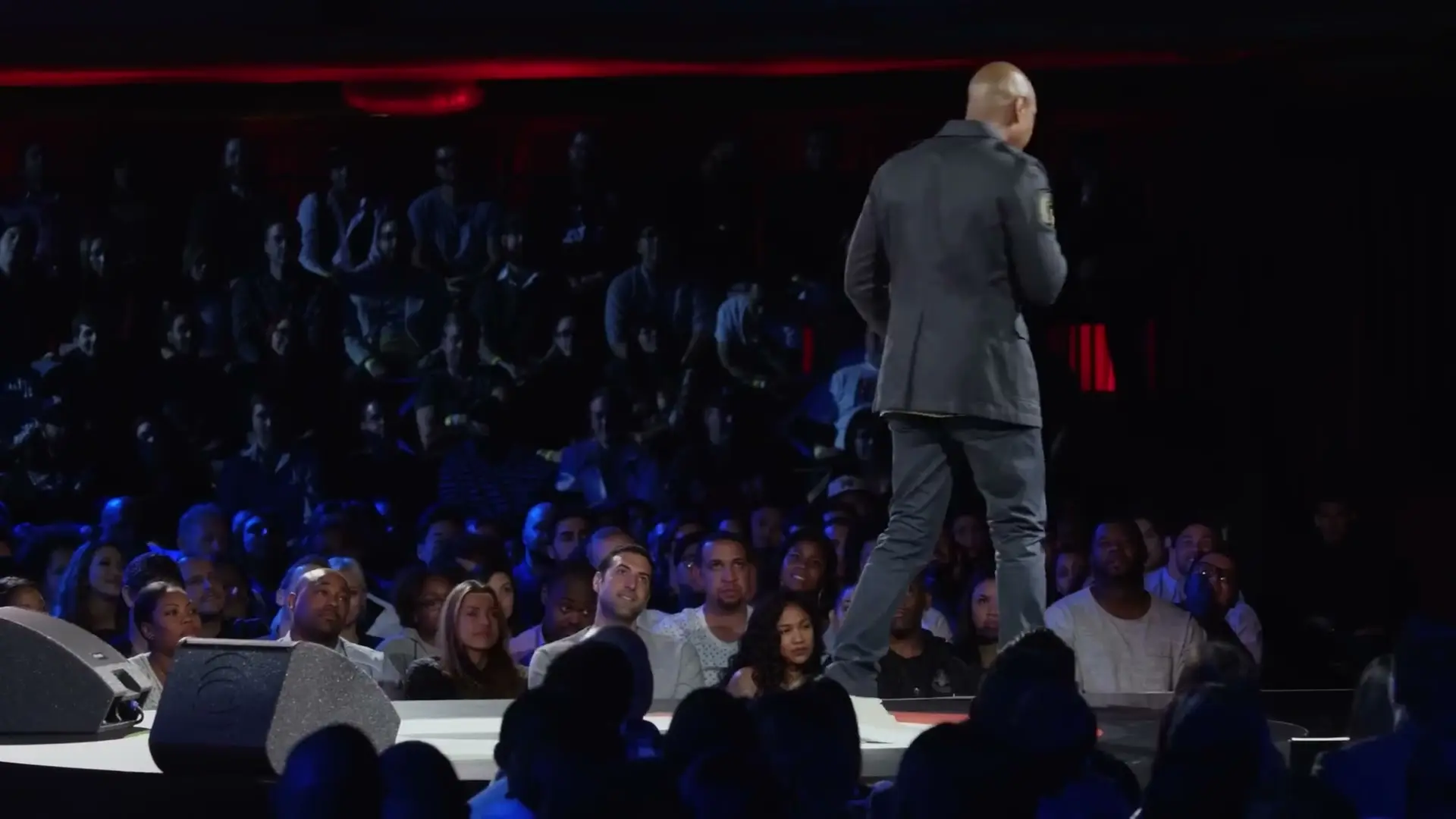
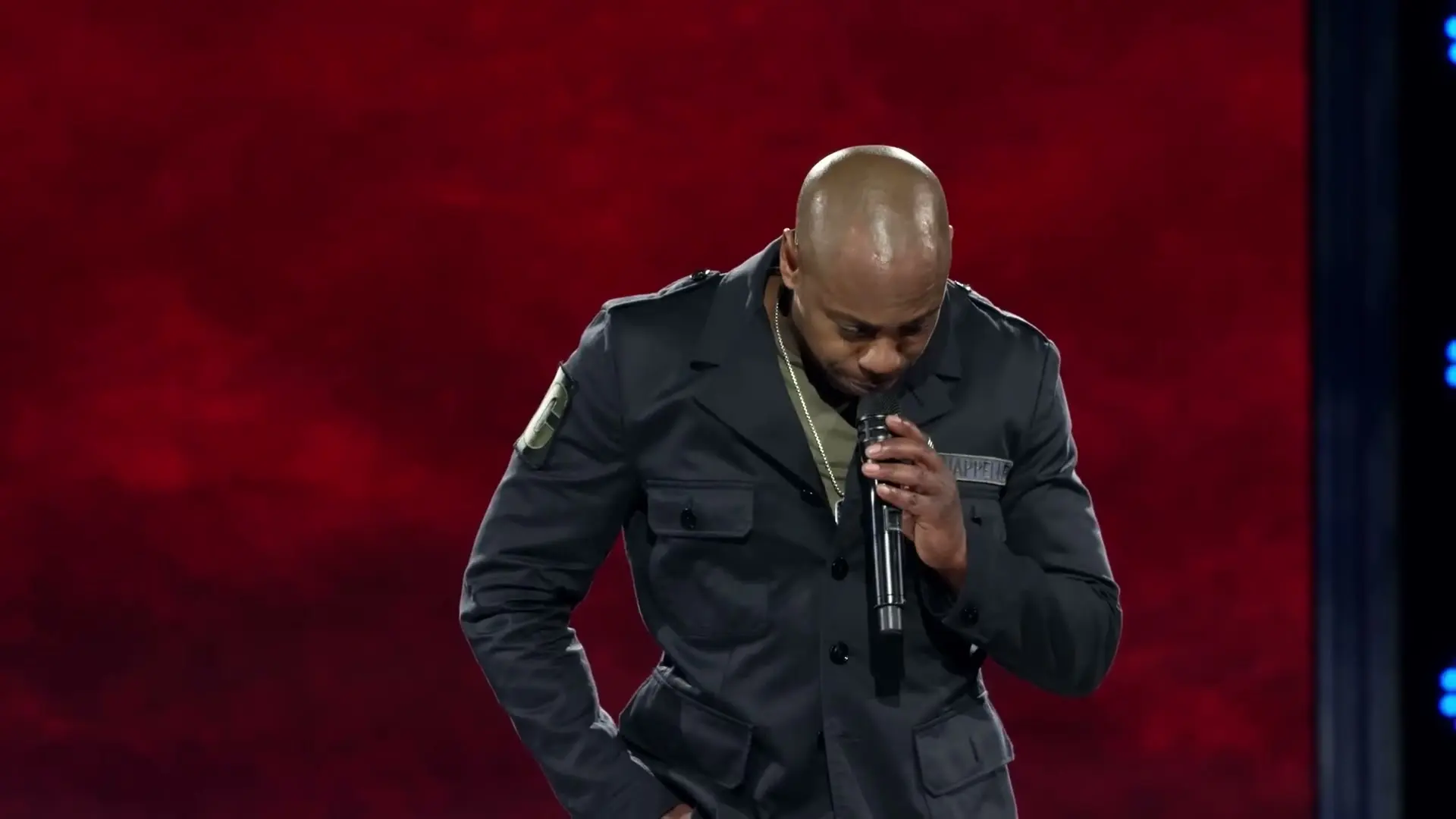
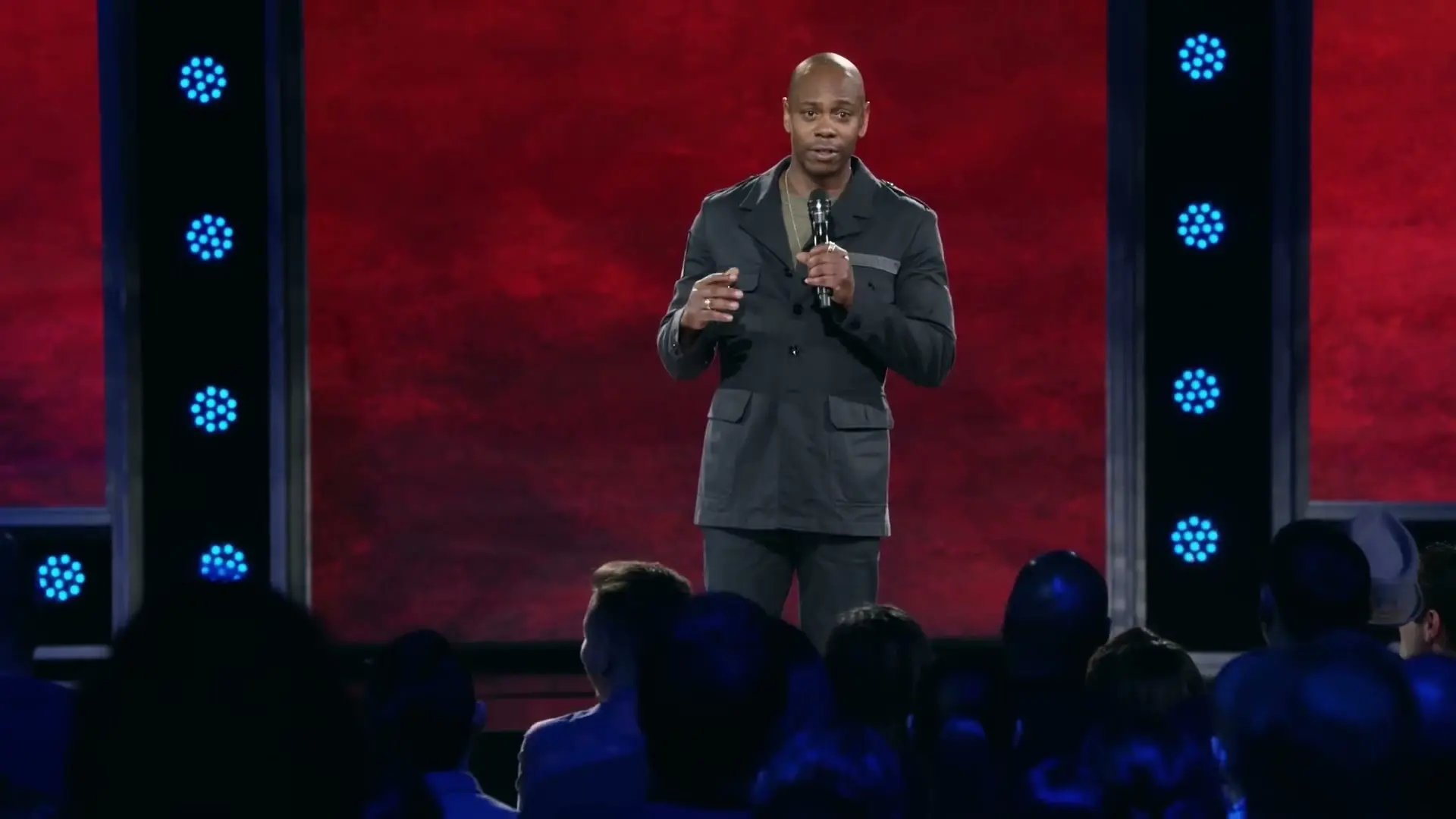
Before viral short-form clips dominated screens, one revolutionary sketch series permanently altered the landscape of American satirical comedy.
Comedy Central became the epicenter of an unprecedented cultural phenomenon when Dave Chappelle took control of late-night television.
For three groundbreaking seasons, Chappelle’s Show dismantled societal norms using an aggressive blend of sharp social commentary and unapologetic slapstick.
Among the vast library of iconic sketches produced during its run, the movie parodies stand out as masterclasses in genre deconstruction.
Chappelle understood that high-budget Hollywood blockbusters were ripe for takedowns, provided the writing remained razor-sharp.
He systematically targeted cinematic tropes, turning serious cinematic moments into absolute masterclasses of unpredictable chaos.
Early in the show’s run, viewers witnessed an outrageous reinvention of the classic giant monster genre.
In a scene around the two-minute mark, Dave Chappelle parodies Godzilla by stomping through a meticulously crafted miniature Tokyo as a giant Black man.
The sheer visual absurdity of a grown man towering over cardboard skyscrapers forces audiences to pause and absorb the madness.
Rather than relying solely on cheap visual gags, the sketch subverts traditional monster movie tropes with unexpected racial commentary.
He destroys the miniature city while delivering nonchalant punchlines that highlight the inherent silliness of classic creature features.
The scene captures the exact brand of irreverence that made the show a staple among college students and comedy enthusiasts nationwide.
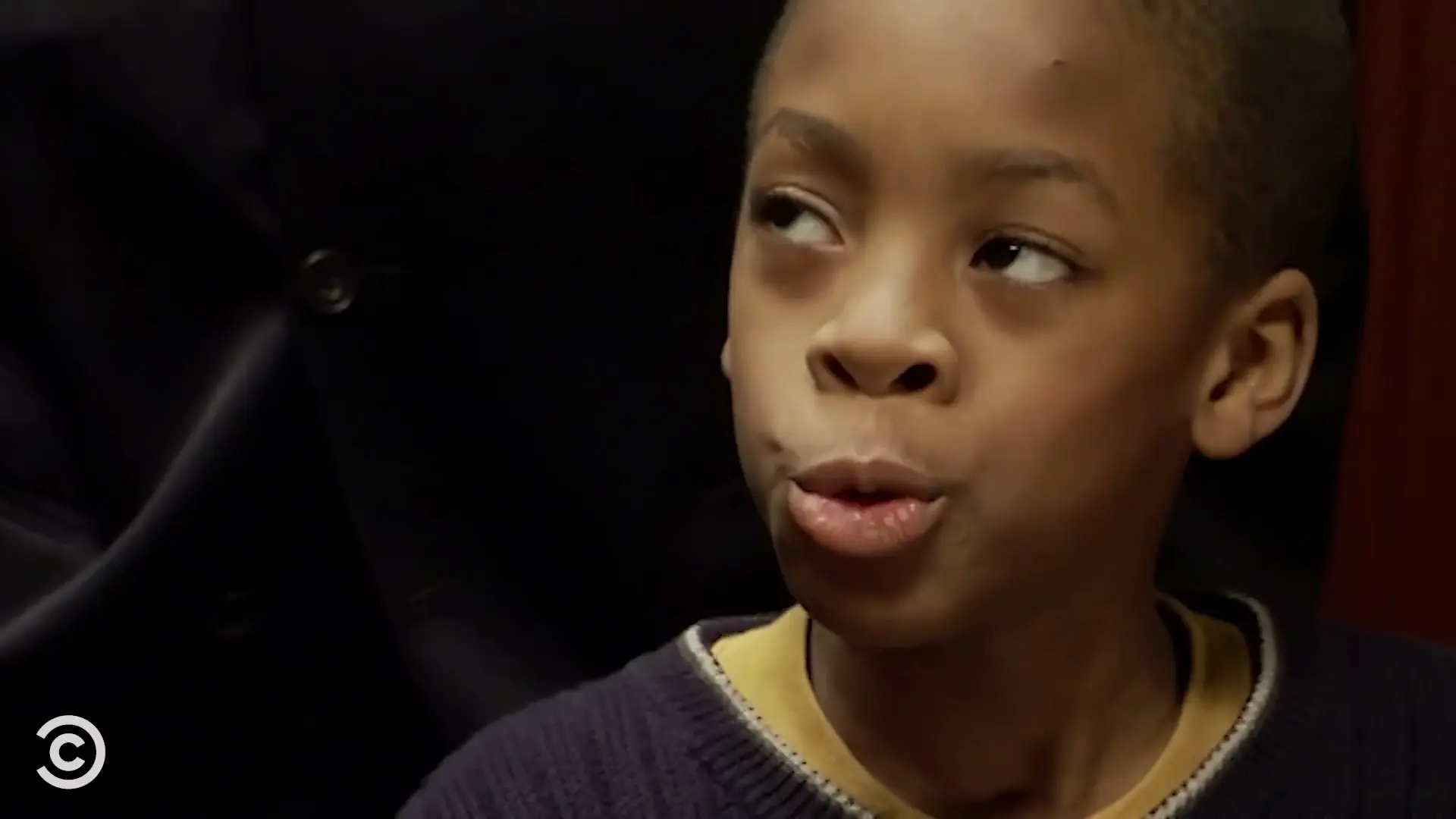
Every stomp through the miniature Japanese capital shattered the unspoken boundaries of what network television normally permitted.
As the series matured, Chappelle and his writing team turned their sights toward high-stakes cinematic thrillers and action tropes.
The narrative tension of a classic dramatic standoff was never safe from their relentless satirical lens.
Around the seven-minute mark of the retrospective reel, a dramatic standoff parody turns completely ridiculous when unexpected action unfolds.
What starts as a tense cinematic moment breaks down into pure comedic chaos during the sketch.
Chappelle takes the over-the-top acting of nineties action blockbusters and stretches it to its absolute psychological limit.
Characters hold guns at absurd angles while delivering overly serious dialogue that exposes the melodrama of Hollywood screenplays.
The scene escalates until the tension completely collapses under the weight of its own ridiculous satirical twists.
Viewers stay locked into the broadcast, eagerly waiting to see how far the writers will push the boundaries of the punchline.
That willingness to embrace total unpredictability separates average sketch writing from timeless cultural art.
Perhaps no cinematic institution received a more thorough dismantling than the dramatic courtroom thriller.
Hollywood has long relied on high-stakes legal proceedings to deliver intense character speeches and emotional climaxes.
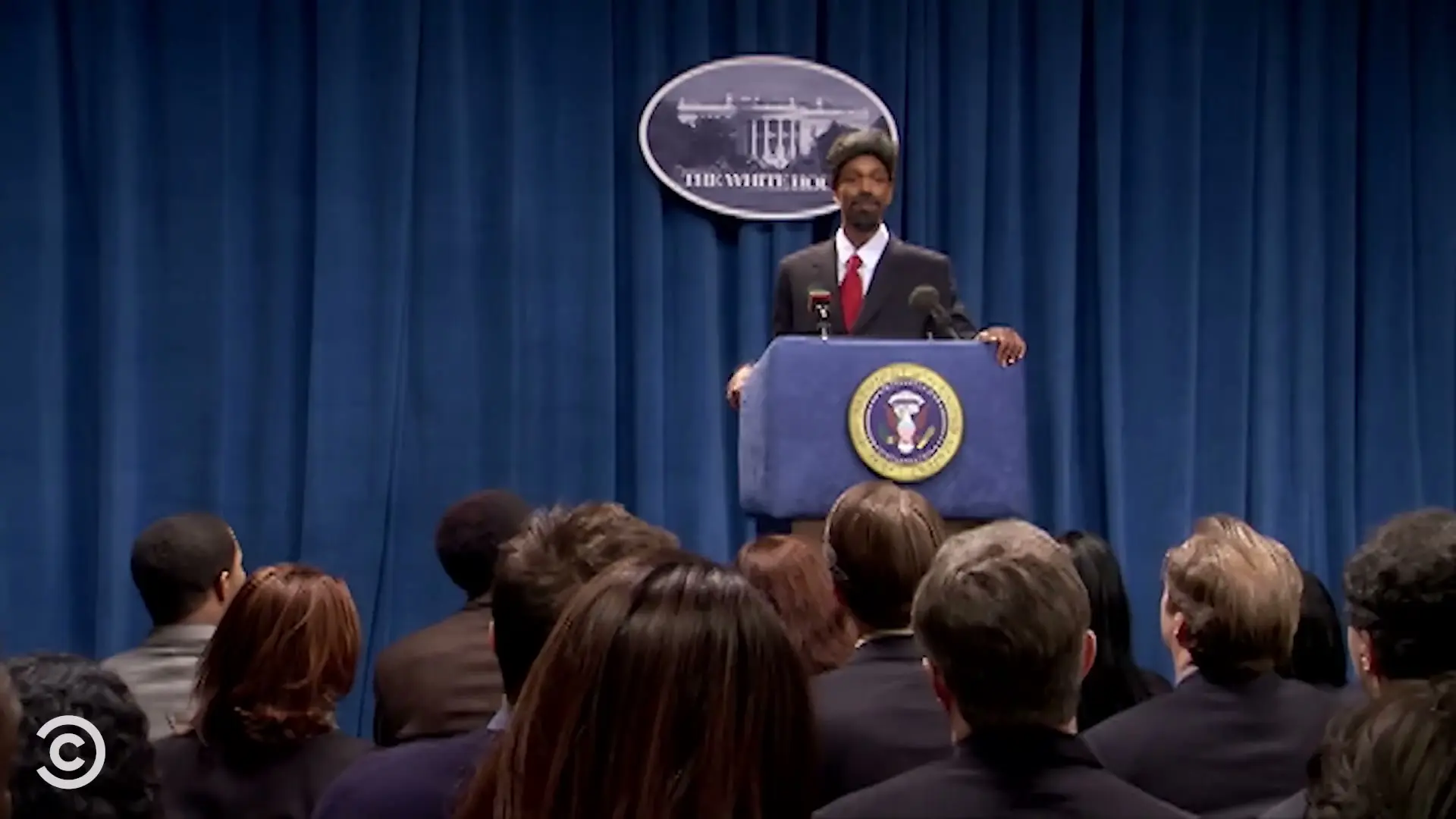
Chappelle took that beloved formula and completely smashed it into pieces during a legendary courtroom sketch around the eleven-minute mark.
An intense court drama transforms into an unbelievable circus of laughter as soon as the proceedings begin.
A high-stakes legal trial gets completely derailed by absurd testimony and utterly outrageous courtroom behavior.
The sketch brilliantly parodies famous celebrity trials of the era, mocking the media circuses that surrounded real-life court cases.
Chappelle walks through the courtroom with supreme confidence, delivering iconic comedy routines while ignoring basic legal protocol.
The sheer unpredictability of the punchlines keeps audiences completely captivated as the fictional judge loses all control of the room.
Witnesses deliver testimonies so bizarre that even the background extras struggle to maintain their composure.
By treating a solemn place of justice like a chaotic carnival, the show exposed the inherent theatricality of high-profile legal battles.
The brilliance of these movie parodies lay in their refusal to play by traditional network rules.
Chappelle never cared about offending corporate executives or alienating mainstream broadcast audiences.
He created art that reflected his personal sense of humor and his acute understanding of American culture.
The cinematic parodies worked because they were rooted in a deep love and thorough understanding of film making.
You cannot parody a genre so effectively without first understanding the exact mechanics that make it work.
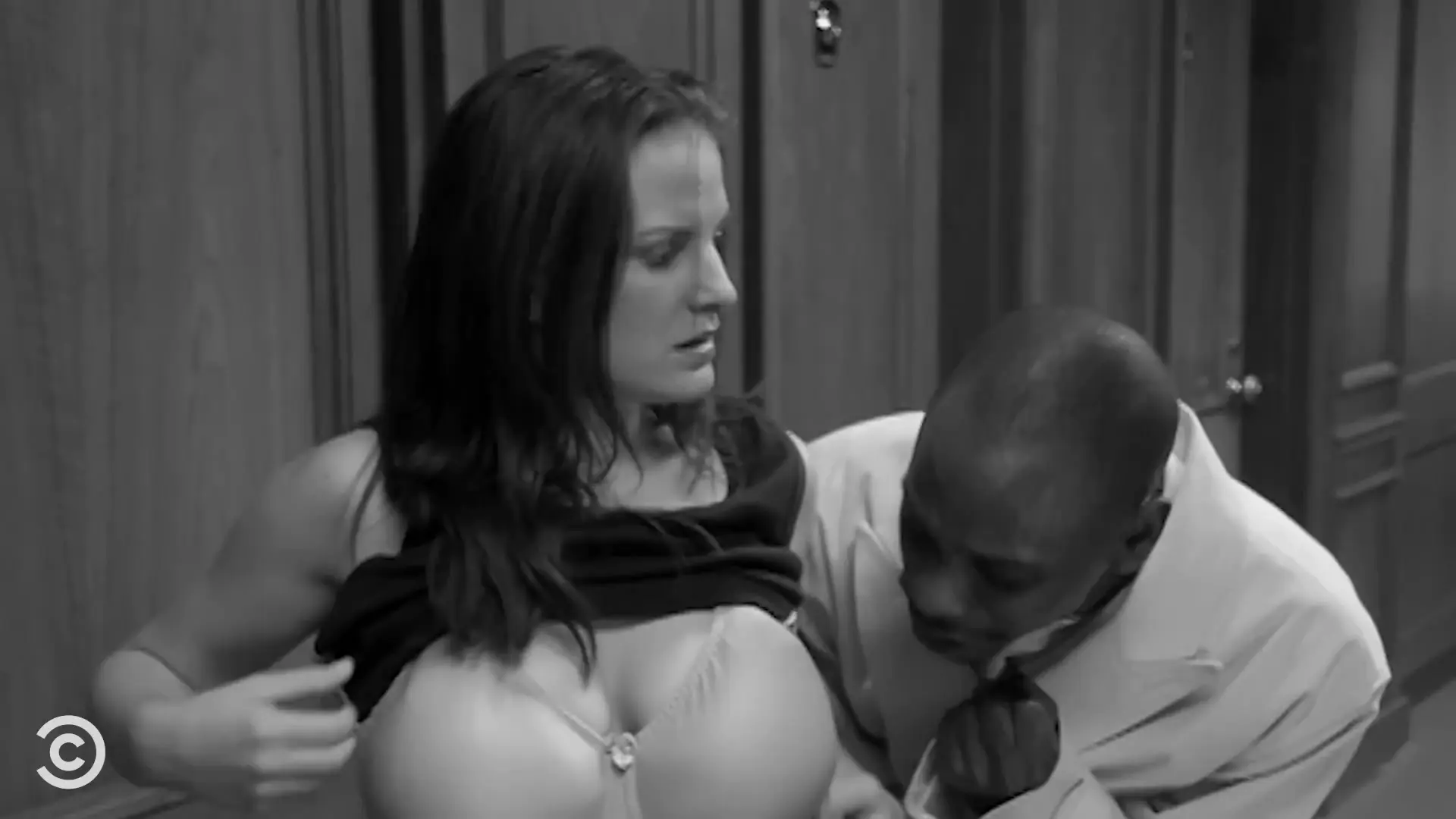
Chappelle and his crew studied the lighting, the dramatic camera angles, and the musical cues of big-budget movies.
They recreated those cinematic elements with remarkable accuracy, making the ultimate comedic collapse even more jarring for the viewer.
When the dramatic lighting of a courtroom thriller suddenly frames an absurd physical gag, the contrast creates pure comedic magic.
That attention to detail elevated Chappelle’s Show far above standard late-night sketch programming.
It converted casual television viewers into lifelong fans who memorized every single line of dialogue.
Decades after those sketches first aired, their cultural impact continues to reverberate through modern media.
Current internet creators and digital comedians continuously draw inspiration from the structural blueprint Chappelle established.
The fast-paced edits, the sharp racial satire, and the willingness to lean into total visual absurdity defined an entire generation of humor.
These movie parodies proved that sketch television could be both visually ambitious and profoundly funny.
They captured a specific era of pop culture while remaining entirely timeless for new generations discovering the clips online.
As viewers rewatch these classic moments today, the overwhelming power of Chappelle’s creative vision remains entirely intact.
He took the biggest cinematic tropes in film history and turned them into unforgettable masterpieces of television satire.
Watch full video here: