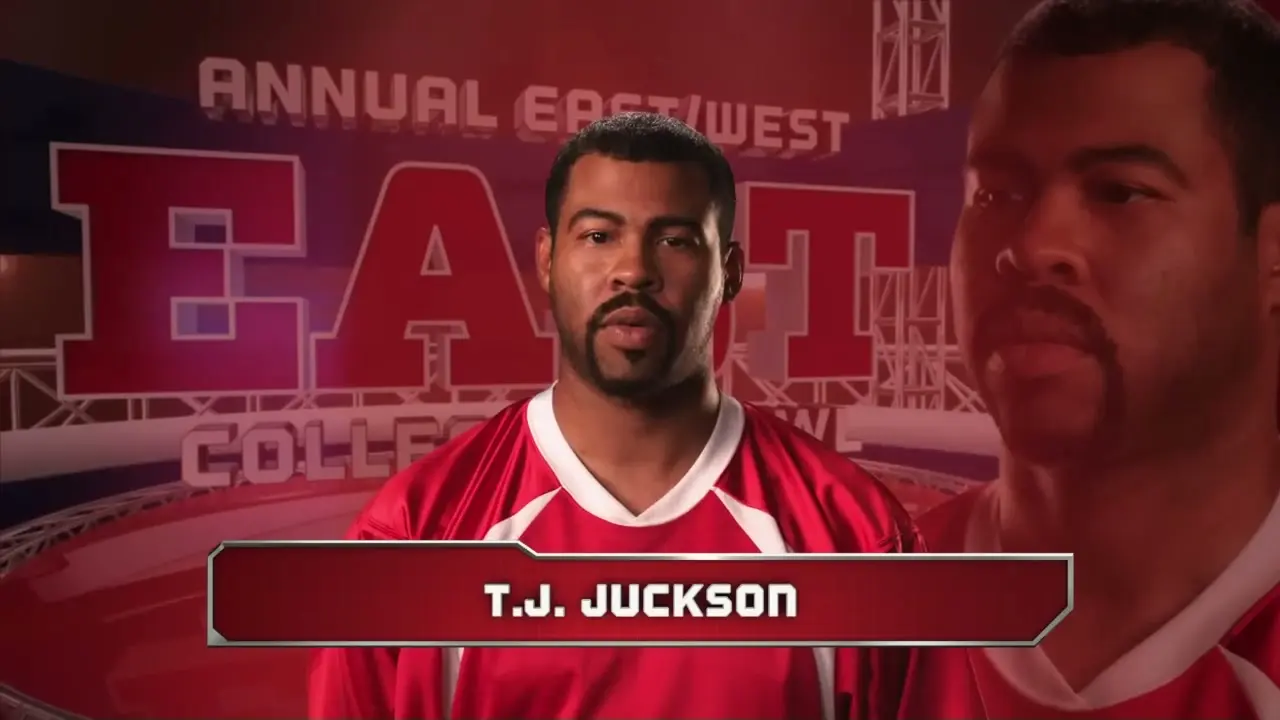
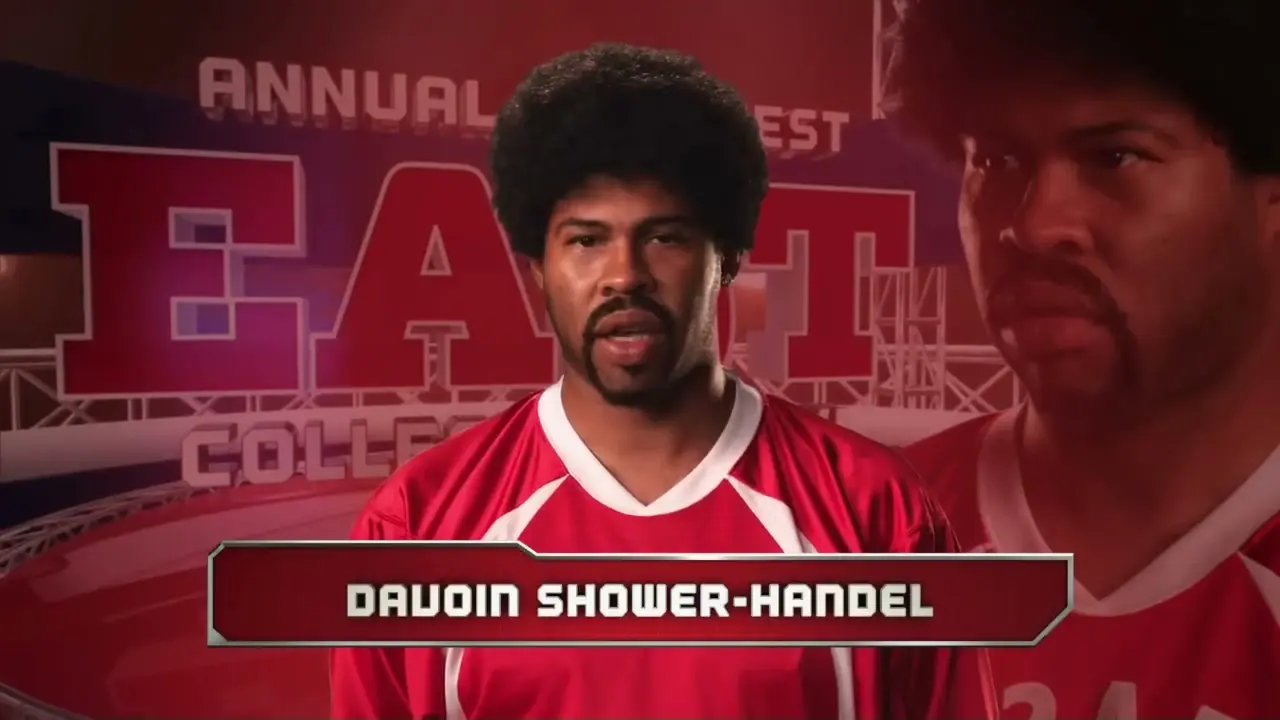
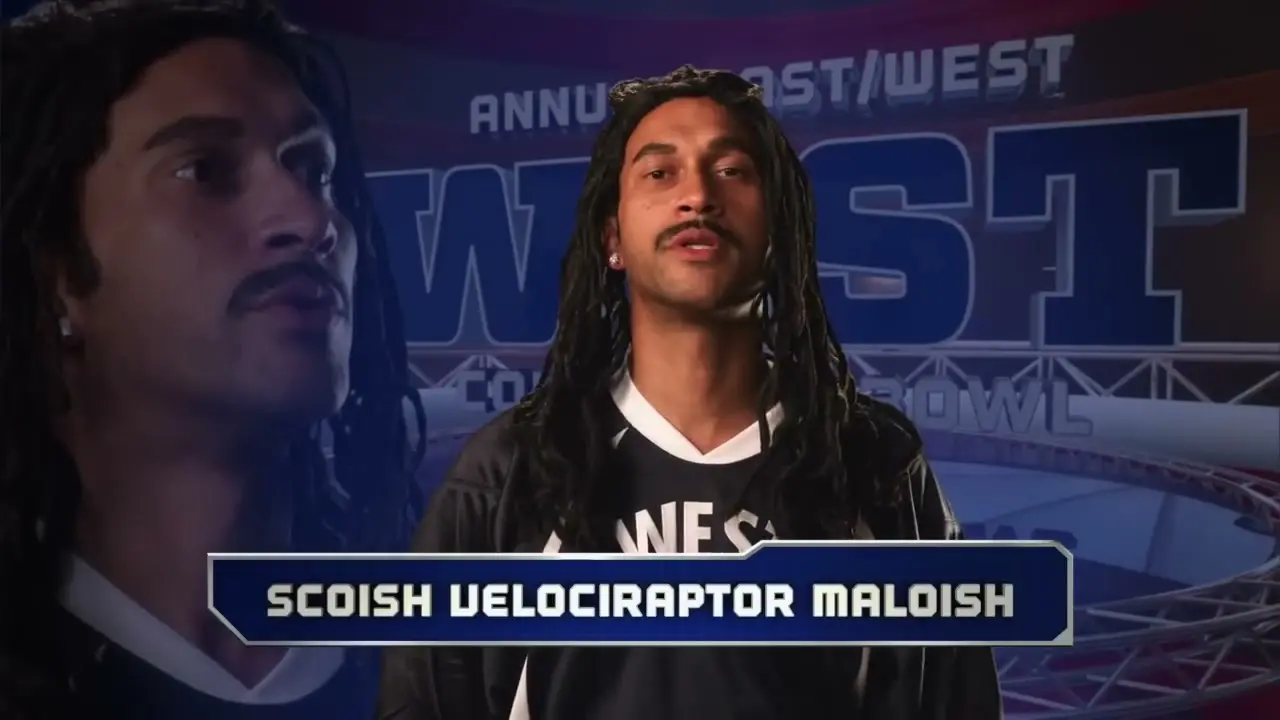
Mr. Garvey does not just walk into a classroom; he invades it with the weary aggression of a combat veteran who has spent twenty years in the trenches of the inner city.
His presence is an immediate tectonic shift for the suburban students of this quiet high school who have no idea their morning attendance is about to become a psychological battleground.
As a substitute teacher, Keegan-Michael Key embodies a man whose patience has not only worn thin but has disintegrated entirely, leaving behind a raw nerve of authority that interprets every vowel sound as an act of war.
The brilliance of Key and Peele’s most iconic sketch lies in this fundamental misunderstanding of environment, where a name is never just a name, but a potential trap designed to undermine a teacher's power.
When he picks up that attendance sheet, he is not looking for students; he is looking for insubordination.
He stares down the list of names with a suspicious squint, his eyes darting across the paper as if searching for hidden tactical maneuvers.
The first casualty of the morning is a student named Jacqueline, though in Mr. Garvey’s world, she is and will forever be Jay-kwellin.
He barks the mispronounced name with such guttural conviction that the room falls into a stunned silence.
When the young woman politely raises her hand to correct the phonetics of her own identity, she isn't met with an apology, but with a volcanic eruption of threats.
Mr. Garvey leans over his desk, his voice dropping into a low, menacing growl as he warns Jay-kwellin that if she says one more word, he will send her to the principal’s office.
He views her correction not as a helpful nudge, but as a calculated attempt to make him look like a fool in front of a class he already expects to be unruly.
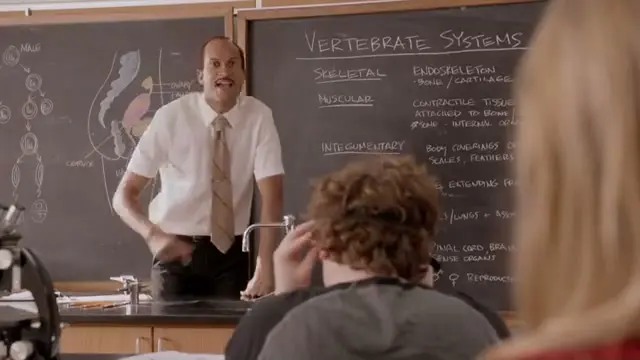
The tension in the room is palpable as the students realize they are trapped in a reality where the rules of English pronunciation have been discarded in favor of one man’s rigid, defensive worldview.
Every time a student tries to bridge the gap between their name and his version of it, the friction generates enough heat to burn the classroom down.
Next on the list is Denise, a name so common it should be a safe harbor, yet in the mouth of Mr. Garvey, it transforms into the bizarrely rhythmic De-nice.
He calls it out with a rhythmic cadence that suggests he is daring someone to claim it.
When Denise tries to speak up, the reaction is instantaneous and physical.
Mr. Garvey doesn't just yell; he snaps his clipboard in half with a sudden, violent crack that echoes like a gunshot against the lockers.
This moment of physical comedy perfectly encapsulates the character’s volatile nature, showing a man so pushed to the edge by his own assumptions that he is willing to destroy his own equipment to prove a point.
He stands there with the jagged halves of the clipboard, breathing heavily, essentially daring the suburban teenagers to mock his intellect.
To him, the fact that these students look confused is merely a mask for their supposed insolence.
He tells the class point-blank not to test his patience, convinced that they are all part of a conspiracy to derail his authority through the medium of nomenclature.
The comedy deepens as the viewer realizes Mr. Garvey is applying a very specific set of street-hardened survival instincts to a demographic that has never seen a metal detector in their lives.
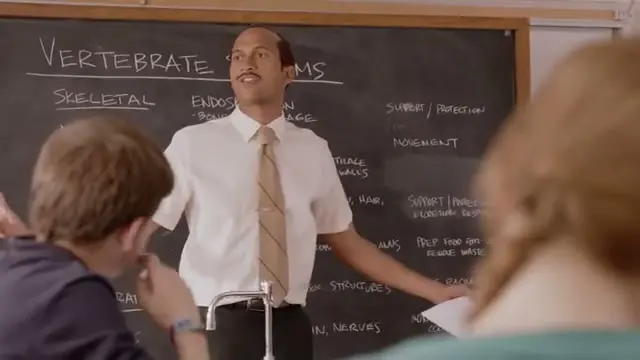
He treats a suburban classroom like a high-stakes standoff, refusing to yield a single inch of ground even when he is demonstrably wrong.
Then comes the moment of the great subversion, the one name that should be the easiest of all: Aaron.
But after the linguistic carnage of Jay-kwellin and De-nice, the audience is primed for the inevitable train wreck.
Mr. Garvey draws a deep breath, readies his vocal cords, and screams for A-A-ron.
It is a phonetic masterpiece of absurdity, turning a simple two-syllable name into a three-beat rhythmic assault.
However, the student in the seat has finally learned the rules of this twisted game.
Instead of correcting the teacher, the boy responds to A-A-ron with a straight face and a quick acknowledgment.
This pivot is the sketch's crowning achievement, as the student’s submission finally earns him the rare, begrudging respect of the substitute teacher.
Mr. Garvey nods, satisfied that for once, a student is playing by his rules and showing the proper level of deference to his distorted reality.
The genius of the performance is that Key never breaks character, maintaining a level of intensity that would feel at home in a prestige drama if the dialogue weren't so inherently ridiculous.
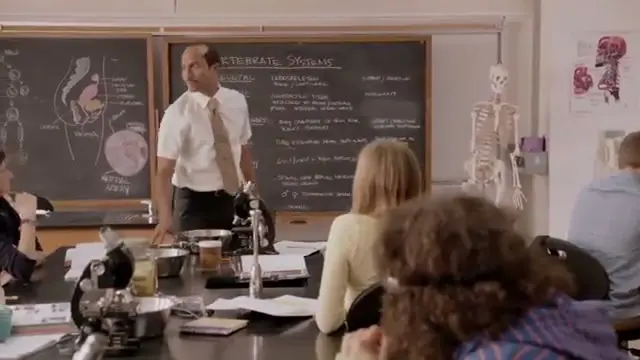
He treats the mispronunciation of Blake as Bal-ak-ay with the same gravity a general might use to discuss a troop deployment.
Every student who tries to push back finds themselves threatened with a trip to the office, a punishment that Mr. Garvey wields like a heavy-caliber weapon.
The sketch serves as a masterclass in how to build a character through specific vocal tics and physical mannerisms that suggest an entire lifetime of backstory without ever stating it.
We don't need to see the schools Mr. Garvey usually teaches at to know exactly what kind of environment he thinks he is in.
He is a man who has been conditioned to see every interaction as a power struggle, making him both the villain and the tragic hero of his own internal narrative.
As he continues through the roll call, the absurdity reaches a fever pitch, leaving the audience breathless from the sheer speed of his escalations.
By the time he finishes, the classroom has been fundamentally altered, and the students have been initiated into a world where logic is secondary to the teacher's ego.
This three-minute segment remains a cultural touchstone because it taps into the universal experience of dealing with an authority figure who is confidently, aggressively incorrect.
It reminds us that sometimes, the only way to survive a madman's world is to start speaking his language, even if that means calling yourself A-A-ron just to get through the day.
Mr. Garvey remains the definitive portrait of a man who refused to let reality get in the way of his own authority, leaving a trail of broken clipboards and confused students in his wake.
He is a character who will live on in the halls of comedy fame as long as there are names left to be hilariously butchered.
Watch full video here: